admin
admin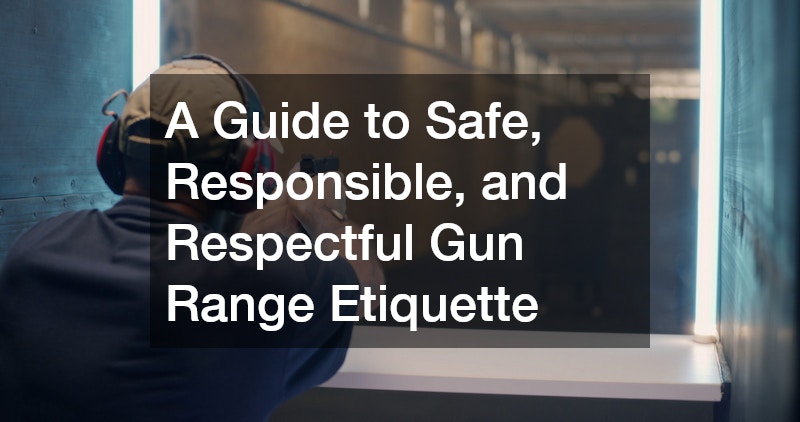
Visiting a shooting facility can be an enjoyable and educational experience, whether you are a first-time shooter or a seasoned enthusiast. However, these environments demand a higher level of awareness, discipline, and courtesy than many recreational activities. Proper etiquette is not only about following posted rules; it is about creating a culture of safety and mutual respect. Understanding expectations before you arrive helps ensure that everyone can practice and learn with confidence at the gun range.
Safety Rules Are Non-Negotiable
Safety is the foundation of all shooting activities, and it begins with strict adherence to basic firearm handling principles. Always treat every firearm as if it is loaded, even when you believe it is not.
Keeping the muzzle pointed in a safe direction and your finger off the trigger until you are ready to shoot are habits that should never lapse, regardless of experience level.
Most facilities have clearly defined commands and procedures, such as “cease fire” or “range cold.” These commands exist to protect everyone present and must be followed immediately and without question. During a cease fire, all firearms should be unloaded, actions open, and placed on the bench as directed. No one should handle a firearm while others are downrange retrieving targets.
Personal protective equipment is another essential aspect of safety etiquette. Eye and ear protection should be worn at all times when shooting is active. Even if you are not firing, nearby shooters can produce noise and debris that pose risks. Respecting safety protocols shows consideration not only for your own well-being but also for that of others sharing the space.
Respect for Staff, Shooters, and Shared Space
Range staff and safety officers are there to maintain order and assist shooters, not to intimidate or criticize. Listening to their instructions and responding politely contributes to a cooperative atmosphere. If you are unsure about a rule or procedure, asking for clarification is far preferable to guessing or ignoring guidance.
Courtesy toward fellow shooters is equally important. Be mindful of personal space, especially when benches or lanes are close together. Avoid distracting behaviors such as loud conversations, unnecessary movement behind the firing line, or handling equipment during active shooting periods. If you need to step away, wait for an appropriate pause rather than disrupting others.
Cleanliness is another often-overlooked aspect of respect. Pick up your spent casings if required, dispose of trash properly, and leave your shooting area as tidy as you found it. Shared facilities rely on users to help maintain a safe and pleasant environment. Treating the gun range with care reflects positively on the entire shooting community.
Responsible Behavior and Range Awareness
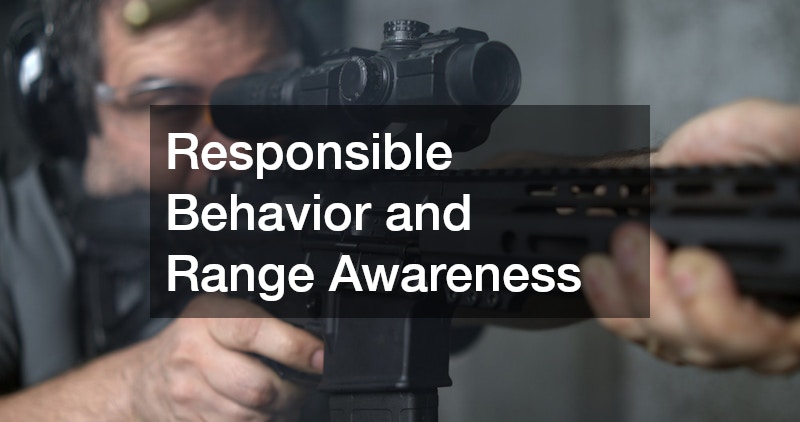
Responsible shooters understand that etiquette extends beyond visible actions. Being mentally present and aware of your surroundings is crucial. Fatigue, stress, or impairment can compromise judgment and reaction time, increasing the risk of accidents. If you feel unfocused or unwell, it is better to pause or end your session.
Proper firearm selection and ammunition use are also part of responsible conduct. Only use firearms and calibers approved by the facility, and ensure your equipment is in good working condition. Malfunctions should be addressed carefully, following established safety procedures or seeking assistance from staff if needed.
New shooters should take extra care to observe and learn before acting. Many experienced shooters are willing to offer guidance, but unsolicited advice should be given sparingly and respectfully. Likewise, those with more experience should model good behavior, understanding that their actions influence how others perceive shooting sports.
Ultimately, good etiquette fosters trust. When everyone follows the same standards, the gun range becomes a place where people of varying backgrounds and skill levels can coexist safely. Responsible behavior ensures that shooting remains a respected and accessible activity rather than a source of concern or controversy.
By prioritizing safety, showing respect to others, and remaining aware of your actions, you contribute to a positive experience for everyone involved. Etiquette is not about restriction; it is about responsibility. When practiced consistently, it allows shooters to focus on skill development and enjoyment while maintaining the highest standards of safety and respect.