 admin
admin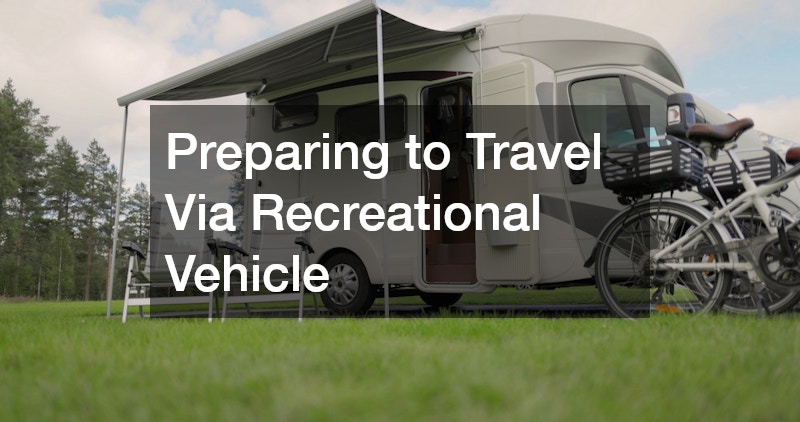
Preparing for an extended highway journey requires a thorough mechanical evaluation of your rig to ensure every component operates reliably under heavy loads. A proper inspection routine minimizes the chances of facing an unexpected breakdown in remote locations.
Evaluating Engine Components and Vital Fluid Levels
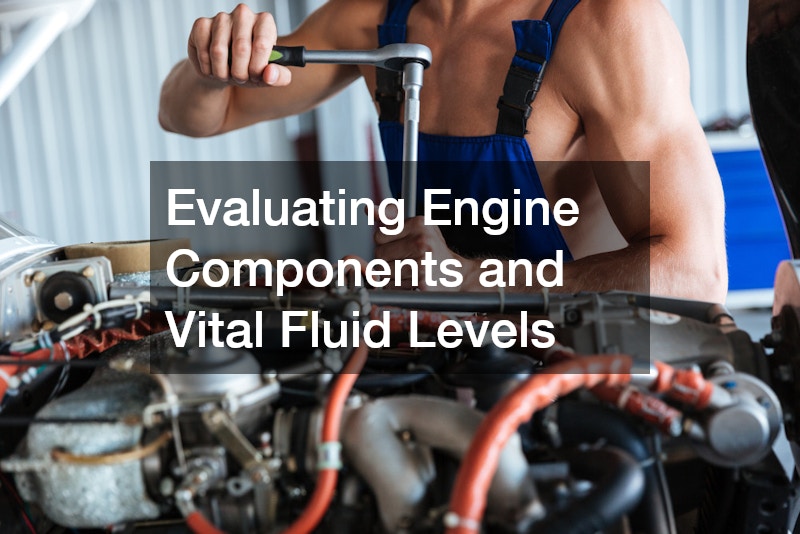
Prior to turning the ignition key, lift the hood to inspect all engine belts and flexible hoses for signs of fraying, dry rot, or cracks. Verify that fluid reservoirs—including engine oil, transmission fluid, radiator coolant, power steering liquid, and windshield washer solution—are filled to their recommended operational lines. Inspect the battery connections for green or white corrosion buildup, and ensure the hold-down brackets remain firmly secured to prevent vibration damage during travel.
- Check engine oil viscosity and top off fluids using manufacturer-recommended grades.
- Test the battery voltage with a multimeter to ensure starting power remains consistent.
- Examine flexible coolant hoses for soft spots, leaks, or hardened rubber.
Inspecting Tires, Brakes, and Suspension Systems
Tire health is critical when carrying thousands of pounds across long distances. Check the inflation pressure on every tire, including the spare, while they are cold to match the manufacturer’s specification listed on the door frame tag. Examine the tread depth and look closely for sidewall bulges or weather cracking. Examine the brake pads and rotors for excessive wear, and listen for unusual grinding or squeaking when conducting a short low-speed test drive.
Maintaining Structural Integrity and Frame
Vibrations from bumpy highways can stress the underlying metallic chassis of heavy vehicles over time. Inspect the frame and mounting points beneath the chassis for stress cracks or rust accumulation. If you discover minor fractures or structural fatigue along the undercarriage, professional welding services can reinforce the metal joints and prevent catastrophic frame failures while in motion.
- Inspect all primary frame cross-members for visible stress fractures or deep rust.
- Verify that shock absorbers and leaf springs show no signs of fluid leaks or bending.
- Examine hitch receiver welds to ensure they can support heavy tongue weight safely.
Managing Interior Comfort and Utility Systems
Living comfortably on the road means keeping your onboard utilities functioning efficiently throughout the entire trip.
Checking Freshwater, Gray Water, and Black Water Tanks
Sanitize your freshwater holding tank before filling it with clean drinking water for your upcoming voyage. Inspect the drain valves and seals on both the gray and black water holding tanks to ensure they open cleanly and close tightly without leaking. Keep a dedicated set of heavy-duty sewer hoses and fresh water lines packed securely in separate storage compartments to avoid cross-contamination.
Testing Onboard Propane and Electrical Circuits
Propane tanks require careful visual inspections for physical rust, denting, or valve leaks before fueling heating units and stoves. Spray soapy water over connections to look for telltale bubbles that indicate gas leaks. Check your 12-volt house batteries with a multimeter, ensuring they hold a charge, and plug into a household outlet to verify that your power inverter and AC circuit breakers operate correctly.
- Sanitize freshwater holding tanks using a mild water-to-bleach purification ratio.
- Test leak detectors for carbon monoxide and propane gas inside the living quarters.
- Verify that circuit breakers and GFCI outlets trip and reset properly.
Optimizing Aesthetic Care and Outer Protective Shells
Exterior maintenance goes beyond simple aesthetics; protective coatings shield the body panels from harsh weather and road debris. Inspect the roof sealant and window caulking for gaps where rainwater could seep inside and rot structural framing. For rigs with faded or chipped exterior finishes, skilled rv painting companies can apply specialized protective coatings that seal the exterior shell against UV degradation and moisture.
Mastering Safe Towing Practices and Load Distribution
Towing an additional vehicle or heavy hauling unit behind your main motorhome introduces extra physical forces that alter vehicle handling and stopping distance.
Calculating Tongue Weight and Total Payload Capacities
Exceeding the gross vehicle weight rating compromises steering response and braking distance. Calculate your combined total weight by weighing the fully loaded rig at a certified commercial scale. Distribute internal cargo evenly from side to side and place approximately sixty percent of the heavy gear toward the front half of the rig to prevent sway at highway speeds.
- Place heavier gear low in storage bays and forward of the axles to stabilize momentum.
- Weigh the vehicle when fully loaded with fuel, water, cargo, and passengers.
- Adjust weight distribution hitches to maintain a level vehicle profile while driving.
Securing Tow Hitches, Chains, and Electrical Harnesses
Inspect the hitch assembly, receiver pin, and locking latch to confirm a solid mechanical connection. Cross the heavy-duty steel safety chains under the tongue so they can catch the coupler if an unexpected disconnect occurs. Plug in the multi-pin electrical harness, then have a partner stand behind the vehicle to confirm that brake signals, hazard flashing lights, and night running lamps operate in sync.
Selecting Proper Hauling Equipment for Extra Gear
Choosing appropriate gear transport systems makes a noticeable difference in highway stability and fuel economy. Specialized utility trailers provide extra space for hauling golf carts, all-terrain vehicles, or heavy camping supplies without cluttering the main interior living area. Ensure all trailer tires, electric brakes, and tie-down straps are rated appropriately for the specific cargo weight you intend to pull.
- Inspect tire pressures and wheel bearings on all attached haulers before setting out.
- Utilize heavy-duty ratchet straps rated above the total mass of the loaded gear.
- Double-check safety breakaway cables connected to electric trailer brake systems.
Upgrading Safety Gear and Emergency Preparedness
Being fully prepared for unexpected side-of-the-road scenarios gives you peace of mind throughout your cross-country travels.
Packing Necessary Roadside Warning Devices and Tools
Equip your cab with essential safety gear so you can manage minor repairs and maintain visibility if pulled over at night. Store collapsible reflective triangles, high-visibility safety vests, and bright LED road flares inside an accessible compartment near the main entrance. Keep a robust mechanical jack, heavy lug wrenches, and a reliable torque wrench handy to handle flat tires safely.
Assembling First Aid Supplies and Onboard Extinguishers
A comprehensive medical kit should contain varied bandage sizes, antiseptic wipes, burn ointment, tweezers, and a supply of essential personal medications. Verify that your fire extinguishers are fully charged, with the pressure needles resting comfortably in the green zone. Mount one extinguisher near the kitchen area and another near the primary sleeping quarters for rapid access during emergencies.
- Keep multiple fire extinguishers rated for electrical, grease, and general fires.
- Store high-visibility reflective vests inside the driver’s side door panel for fast access.
- Include extra packs of batteries for backup flashlights and headlamps.
Gathering Essential Tools and Specialized Safety Gear
Having proper tools stored onboard helps resolve small mechanical hiccups before they escalate into major trip delays. Pack a dedicated electrical meter, spare fuses, zip ties, heavy-duty duct tape, and a complete socket set. Storing robust emergency equipment—such as heavy tow straps, high-lumen flashlights, and portable jump-starter power banks—allows you to handle unexpected mechanical setbacks without relying immediately on outside assistance.
Navigating Roadside Support and Emergency Contracts
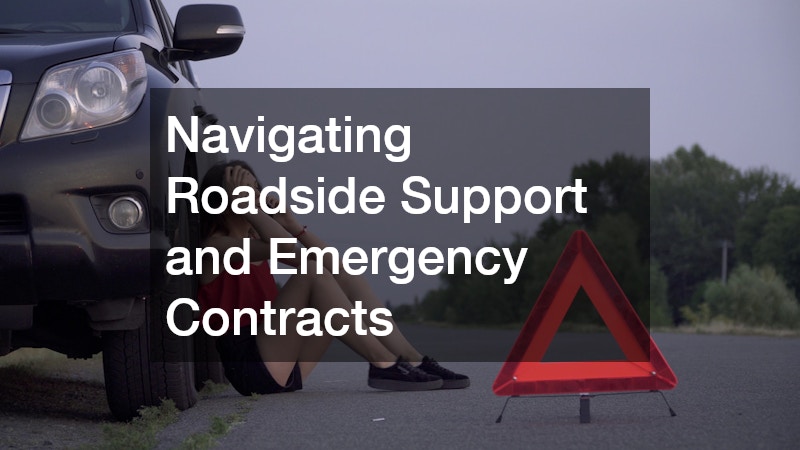
Even with diligent pre-trip maintenance, unforeseen mechanical failures can occur on distant highways.
Selecting Comprehensive Travel Protection Plans
Standard automotive insurance policies often lack coverage for the unique dimensions and weight class of large motorhomes. Research coverage providers that specifically feature specialized RV services, ensuring their network includes technicians qualified to work on large diesel engines, slide-out mechanisms, and complex onboard plumbing systems. Verify that your policy covers full trip interruption benefits, hotel stays, and transportation allowances.
- Verify that your policy covers full hotel reimbursement during extended shop repairs.
- Ensure emergency support services extend to remote areas on your itinerary.
- Confirm coverage details for glass replacement and body panel damage.
Evaluating Dispatch Services and Coverage Networks
Verify that your travel protection program offers coverage across all states or provinces on your planned travel route. Confirm that the dispatch team offers a true tow service capable of sending heavy-duty flatbed haulers suitable for low-clearance chassis. Keep physical copies of your policy numbers, emergency contact hotlines, and membership cards stored in your glove box alongside digital back-ups on your phone.
Setting Up Continuous Support for Long-Distance Routes
Traversing remote stretches of highway late at night requires specialized support options that operate around the clock. Subscribing to an active roadside assistance plan ensures that professional technicians remain available to assist with flat tires, fuel delivery, or lockout situations at any hour. These programs act as a vital safety net when traveling through areas with limited commercial repair shops.
- Save policy identification details in both physical glovebox notes and mobile apps.
- Ask dispatch providers about their average response window for remote highways.
- Confirm that tire replacement services carry appropriate commercial wheel sizes.
Preparing for Sudden Mechanical Failures
Knowing how to handle unexpected mechanical complications quickly keeps your family safe and gets your trip back on schedule.
Identifying Safe Pull-Off Zones on Highways
If you notice sudden engine overheating, unusual steering vibrations, or loss of tire pressure, stay calm and signal your intentions early. Coast gradually toward the right shoulder or take the next exit ramp to find a flat, paved surface far away from fast-moving traffic lanes. Turn on your hazard lights immediately to signal your presence to other motorists.
Utilizing Specialized Hauling Services for Heavy Vehicles
When a vehicle suffers a severe engine lock, transmission failure, or structural breakdown, standard light-duty tow trucks will be inadequate. Calling a dedicated RV towing service ensures that a heavy-duty wrecking vehicle with extended wheel lifts or a specialized drop-deck trailer is dispatched to transport your rig without causing damage to the drive axle or body panels.
- Place warning triangles 50, 100, and 150 feet behind your vehicle on highway shoulders.
- Stay inside the cabin with seatbelts fastened if pulled over on dangerous narrow roads.
- Communicate exact highway marker locations when calling for emergency dispatch.
Accessing All-Hours Support in Remote Locations
Mechanical issues rarely happen at convenient times or locations. Maintaining a list of verified 24-hour towing companies along your planned highway path provides immediate access to professional operators who can respond to midnight emergencies in isolated regions, helping you transport your rig safely to a qualified repair station.
Purchasing and Transitioning to New Rigs
Transitioning into a different mobile layout requires strategic planning to ensure your new rolling home meets all your functional needs.
Evaluating Upgrades and Floor Plans for Travel Needs
Before making a permanent purchase, evaluate how your current rig performs during extended travel. Determine whether you need additional sleeping quarters, larger freshwater capacity, or stronger towing ratings for your gear. Testing different layout styles helps you select a rig that offers the right balance between interior living space and exterior maneuverability.
- Test driver seat ergonomics and mirror visibility before deciding on motorhome sizes.
- Measure garage door clearances and driveway lengths at home to ensure easy parking.
- Evaluate holding tank capacities if you plan to spend an extended time off the grid.
Inspecting Used Units Before Final Purchase
If you decide to buy a pre-owned rig, perform a comprehensive walkthrough inspection before signing any paperwork. Look for water stains along the ceiling seams, test every kitchen appliance, check the age code on the tires, and request complete maintenance records from the previous owner to verify that all routine oil changes and roof resealing tasks were performed on schedule.
Finalizing the Acquisition of a Replacement Unit
When you are ready to upgrade your lifestyle setup, take your time browsing options from reputable dealerships or private sellers. Finalizing a new recreational vehicle sale requires careful inspection of the title documentation, registration fees, warranty transfers, and weight limits to guarantee that your towing vehicle can handle the prospective unit safely on steep mountain inclines.
Preparing for an extended highway journey involves much more than simply packing clothes and stocking the pantry with groceries. By systematically inspecting your mechanical systems, maintaining utility connections, securing heavy cargo loads, and establishing a robust backup plan for roadside emergencies, you protect both your financial investment and your family’s safety. Take the time to execute a thorough pre-departure checklist before every departure, and enjoy the confidence that comes with knowing your mobile home is fully prepared for every mile of the open road ahead.
